How Fleet Cards Support Sustainability
& Goals and Track Fuel Usage

Fleet cards support sustainability goals by providing real-time reporting on fuel consumption, enabling businesses to identify inefficiencies and reduce their carbon footprint. Additionally, these cards can be configured to encourage the use of alternative fuels, further aligning fleet operations with environmental objectives. The availability of diesel and other fuel types can be strategically managed through the use of fuel cards, giving businesses more control over their operations.

How Fleet Cards Promote Sustainability

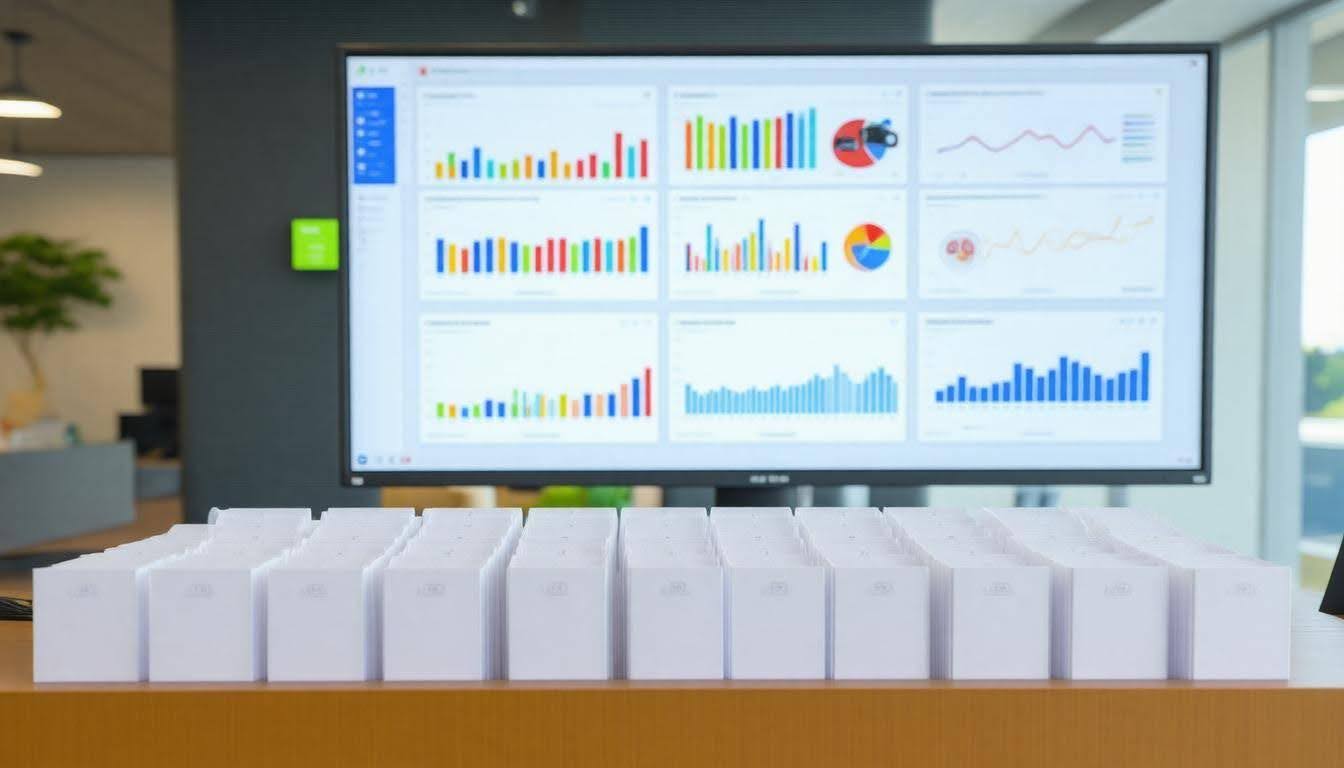
Fleet cards serve as digital tools that empower businesses to effectively monitor and manage fuel consumption. This capability becomes essential for companies focusing on reducing their carbon footprint in response to climate change concerns. When a business utilizes fleet cards with a robust app, it benefits from real-time data analytics on fuel usage, offering a transparent view of how much fuel is being consumed across its operations. With this information at hand, fleet managers can create a comprehensive account that identifies trends and patterns—like consistently high fuel use in certain vehicles—which might indicate inefficiencies or operational flaws.

Fleet manager reviewing fleet card analytics app for fuel purchases, driver efficiency, vehicle maintenance, and cost savings

Imagine a logistics company that uses fleet cards to track its delivery trucks across multiple locations. By regularly analyzing the fuel reports generated by these cards, they discover that one truck typically operates at a far lower fuel efficiency compared to others. Recognizing this trend allows them to investigate further—maybe the truck needs maintenance, or perhaps an unpredictable route is leading to excessive idling. Armed with this data, they can decide to rectify the issue, optimizing fuel efficiency and cutting unnecessary emissions.

This continuous monitoring contributes to enhanced operational efficiency. Did you know that companies using fleet cards recorded an average of 15% reduction in fuel consumption? The data suggests that businesses are saving money—potentially around $1,200 per vehicle annually—while also reducing greenhouse gas emissions through optimized routing and usage patterns. Fleet cards often come with fuel cards as part of their services, offering flexible fuel purchasing options across the network, including diesel for heavy-duty vehicles, further aiding efficiency.

Some industry critics claim the best path toward sustainability is solely via electric vehicles (EVs). However, the services provided by fleet cards offer crucial insights about traditional fuel usage, which plays a pivotal role in transitioning toward EV solutions. Understanding current fuel dynamics can better inform fleet managers' decisions regarding electric vehicle investments. For instance, knowing which vehicles consume the most fuel can help prioritize which ones to replace first with EVs when scaling up sustainable practices.

Beyond just tracking, modern fleet cards allow businesses to set specific controls tailored to promote sustainable usage. Imagine setting limits on fuel types based on time-of-day access for certain vehicles; this approach could encourage drivers to consider alternatives during peak hours when emissions are most critical. Additionally, most programs offer products that include options for using alternative fuels that come with carbon offsets, further supporting environmental targets.

As we transition into the next discussion, it's vital to explore methods that build upon these insights and harness technology for improved monitoring and reduction of fuel consumption across the U.S. With advancements in application technology, managers can now oversee fleet operations from anywhere, significantly enhancing efficiency and control.

Tracking and Reducing Fuel Consumption

At the heart of managing a fleet efficiently is the ability to monitor fuel usage seamlessly. Fleet cards, particularly those like Fuelman, excel at this by tracking every transaction, including the date, time, location, and amount of fuel purchased with precision. This comprehensive data is invaluable, akin to having a GPS for your fuel expenses. Furthermore, purchase controls can be set to ensure compliance with company policies at gas stations. By accessing this information, fleet managers can easily see how much fuel is being consumed in real-time, allowing for prompt responses to any anomalies, whether they occur at a pump or during transit.

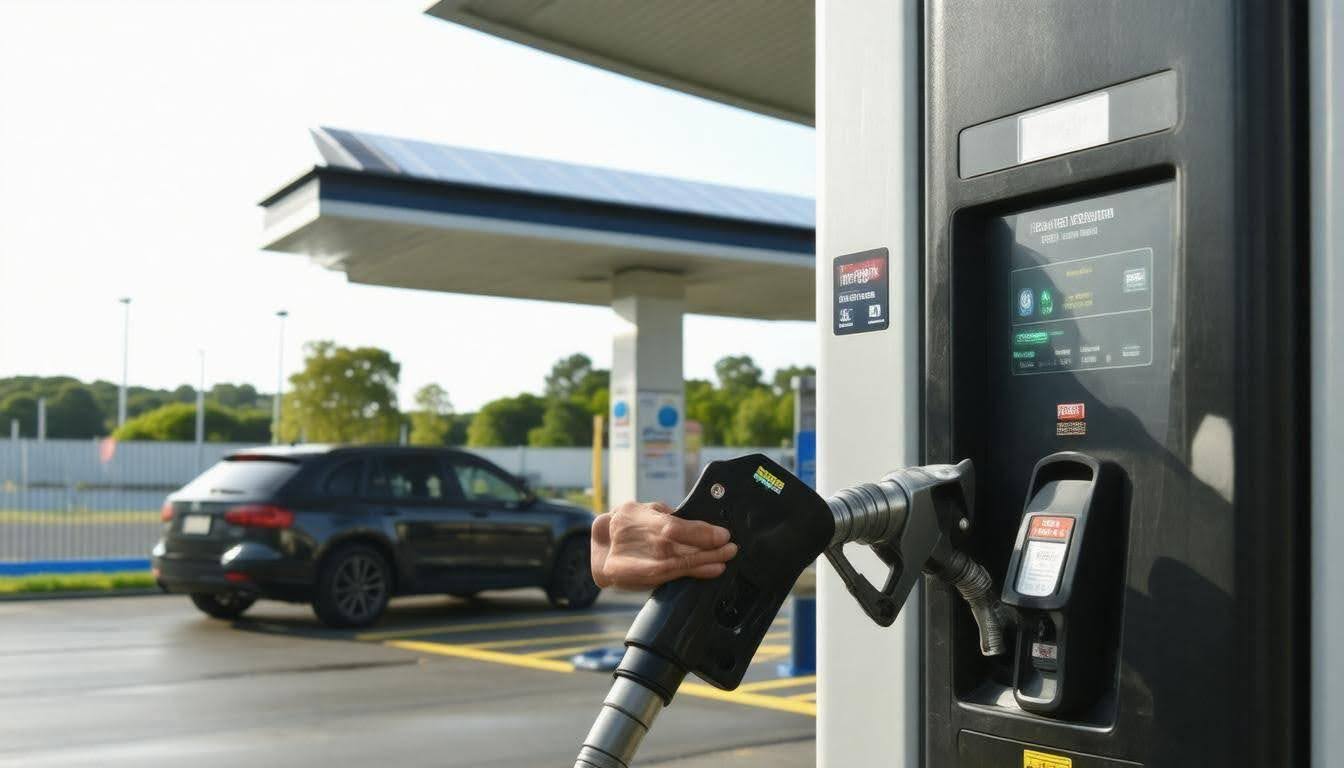
Driver using a fleet fuel card at gas pump station with diesel and gas options across U.S. fuel stations network

Step I - Monitor Fuel Usage

Regularly monitoring fuel usage with fleet cards allows businesses to identify potential issues before they escalate into costly problems. If one vehicle is consistently using more fuel than others, it may suggest maintenance needs or even highlight inefficient driving behaviors. Having visibility helps fleets become proactive rather than reactive—it’s about catching small issues before they balloon into major costs.

However, simply monitoring fuel isn't enough; the next step is equally important: analyzing the captured patterns.

Step II - Analyze Patterns

With all the data at hand, fleet managers have the power to dive deep into performance metrics and identify trends. By examining these data points collectively—fuel purchases over specific time frames and varying gas stations’ locations—managers can spot inefficiencies like excessive idling times or unauthorized usage that could lead to unnecessary fuel expenses. For example, if a certain route shows consistent spikes in fuel consumption, it may be time to optimize that route or even reconsider which drivers are on it.

These insights aren't just numbers on a screen; they tell a story of how well the fleet operates. Understanding these patterns helps foster an environment where complacency is challenged and improvements are actively pursued.

Insights gleaned from such analyses pave the way for practical changes that can be implemented swiftly.

Step III - Implement Changes

Armed with knowledge from their analysis, fleet managers can introduce targeted fuel-saving measures. For example, route optimization can involve planning journeys that avoid traffic congestion or reduce overall distance traveled. Such adjustments often yield significant savings without sacrificing service quality.

Regular vehicle maintenance ensures that engines run efficiently and minimizes wear and tear—another factor contributing to excess fuel consumption.

Additionally, developing driver training programs allows companies to cultivate safe driving habits among employees. Simple modifications like reducing speed or avoiding rapid acceleration can lead to meaningful reductions in fuel use and a lower carbon footprint—a win-win for both cost savings and sustainability goals.

In fact, studies indicate that businesses employing these strategies can experience up to a 20% increase in fuel efficiency due to diligent tracking and informed decision-making processes at various stations throughout the U.S.

Understanding fuel consumption through fleet cards not only provides insight into operations but also empowers companies to create lasting improvements tailored specifically to their unique needs while supporting broader environmental sustainability initiatives.

As we progress in this exploration of fleet management, it's crucial to look at the cutting-edge technology evolving within these systems.

Advanced Technology in Fleet Cards

Fleet cards have transformed from simple fuel payment methods to powerful management tools equipped with cutting-edge technology. One significant advancement is the integration of telematics, which combines GPS capabilities and vehicle diagnostics. This allows for real-time monitoring of vehicle behavior—a leap forward in managing fleet expenses while minimizing environmental impact. The use of technology extends beyond just monitoring systems; it encompasses solutions like fleet fuel cards which help streamline payments and establish spending limits at various fuel stations

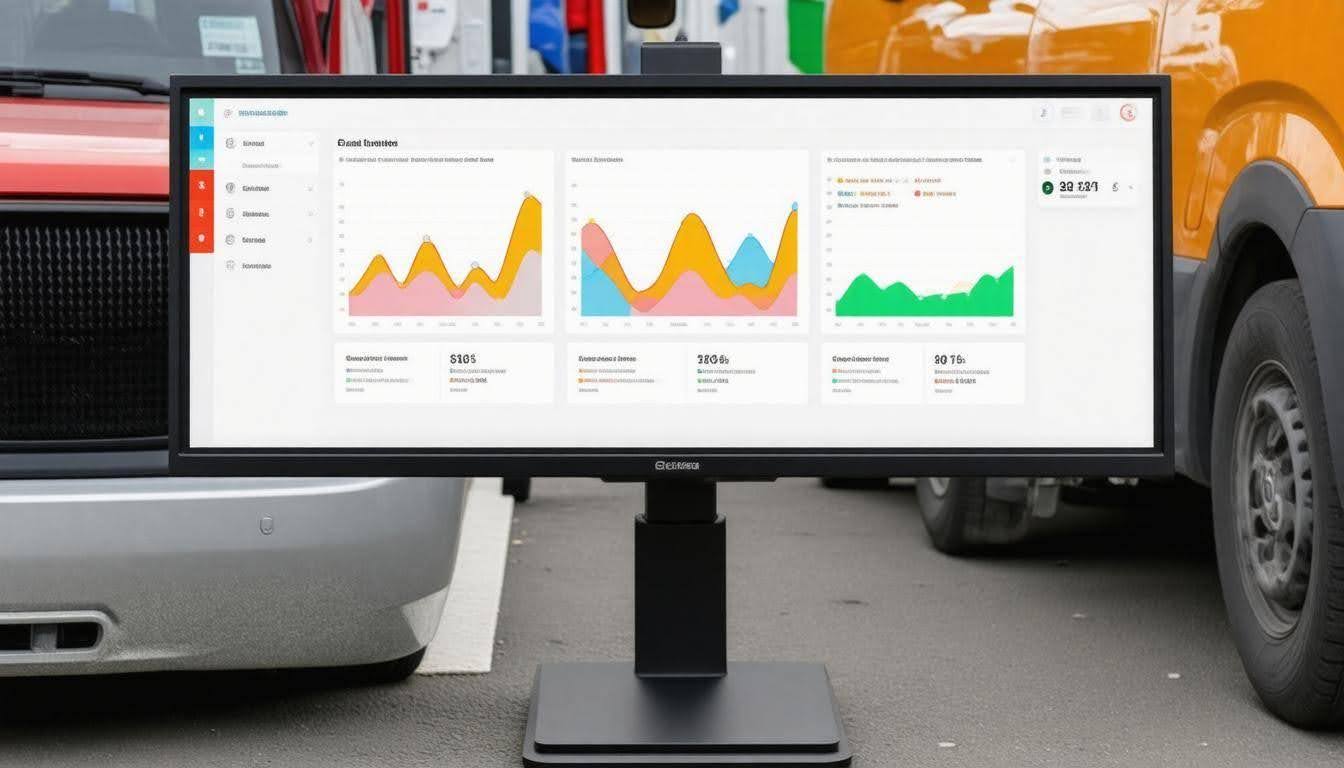
Small business owner analyzing fleet management reports showing transactions, fuel spend, and potential fraud alerts

With telematics systems active in vehicles, fleet managers receive crucial information about speed patterns, braking habits, and fuel consumption data as it happens. Imagine a driver speeding down a highway; without intervention, this could lead to excessive fuel usage and higher emissions. Thanks to telematics, abnormalities can be flagged instantly, sending immediate alerts if a driver exceeds the speed limit or brakes harshly. Moreover, fleet fuel cards provide precise spending controls at fuel stations, ensuring that purchases align with company policies. Precise corrective measures can then be taken right away, facilitated by the control provided through the acceptance of both fleet fuel cards and traditional credit cards.

It’s easy to overlook how these actions translate to savings—not just for budgets but for our planet as well. The International Council on Clean Transportation reported a staggering statistic: fleets utilizing telematics can reduce their fuel consumption by up to 20% — that's significant for any business looking to cut costs while improving their carbon footprint. By quickly identifying wasteful practices, companies, including small businesses, can make informed decisions aligning with sustainability goals.

Technology Benefit
GPS Integration Optimized Routing
Diagnostics Enhanced Vehicle Maintenance
Real-Time Alerts Immediate Corrective Actions

This technological evolution plays a pivotal role in overall fleet maintenance as well. Systems designed to monitor vehicle diagnostics allow fleet operators to schedule proactive maintenance before minor issues escalate into costly repairs. Catching wear-and-tear issues early keeps vehicles running smoothly and minimizes downtime, ensuring that every vehicle remains available for its intended purpose. The integration of fleet fuel cards further optimizes this process by linking maintenance-related payments directly to the specific vehicles involved.

This seamless blend of technology within fleet cards not only tracks and optimizes performance but also reflects an ongoing shift toward flexibility and integration across various transportation modalities. As we consider these advancements in detail, it becomes clear they pave the way for understanding the intersection of economic efficiency and environmental responsibility.

Financial and Environmental Benefits

One of the shining advantages of fleet cards lies in the dual benefits they provide—financial savings alongside environmental protection, ensuring businesses run more efficiently while being mindful of their ecological footprint. When it comes to fuel expenses, companies are continually on the lookout for solutions that save them money, and fleet cards come equipped with features that deliver real results, including robust spending limits and wide acceptance across numerous fuel stations.

Fleet cards offering payment controls, transaction limits, rebates, fuel discounts, and fuel savings for trucking and logistics fleets

Financial Benefits

To put it plainly, cost savings on fuel is often what gets business owners excited about these cards. Fleet cards typically offer bulk purchasing discounts and rebates. For businesses managing large fleets, even a few cents saved per gallon can lead to substantial annual savings. Companies using fleet cards report an average reduction in fuel costs between 10% to 15%. This isn’t just a drop in the bucket; for a small business with dozens or hundreds of vehicles, these savings quickly add up to significant amounts.

On top of that, operational efficiency is enhanced when using fleet cards. They facilitate better maintenance schedules by linking fuel purchases directly to vehicles, which helps identify underperforming or mismanaged assets. Fewer breakdowns mean fewer costly downtime incidents. Imagine how much smoother operations are when vehicles remain roadworthy and reliable; it translates directly into positive cash flow.

Furthermore, with fraud prevention becoming increasingly critical in today's world, fleet cards incorporate advanced security features such as PIN requirements and transaction limitations. Payment integrity is enhanced through fleet fuel cards, which allow more appropriate monitoring compared to standard credit cards, adding an essential layer of protection. These measures help minimize unauthorized use—saving not just money but also time spent resolving fraudulent activities. With the introduction of systems such as the WEX fleet card, businesses can further mitigate misuse by setting specific purchase controls and monitoring fuel usage patterns, making the process more streamlined and secure.

Environmental Benefits

Now let’s pivot to the environmental aspect because this is where things get particularly interesting.

The environmental benefits of fleet cards are equally compelling. First and foremost, they contribute to reduced emissions. By closely monitoring fuel consumption, businesses can drastically lower their overall greenhouse gas emissions. With tools like the WEX fleet program, reports suggest that implementing fleet card programs can decrease emissions by approximately 15% per vehicle each year—a remarkable figure when multiplied across an entire fleet. Moreover, the use of WEX cards can help businesses access valuable fuel discounts, promoting operational efficiency and cost savings.

Additionally, a focus on less waste permeates through better resource management. As organizations streamline their operations and emphasize efficient practices, unnecessary resource expenditure diminishes significantly. This means not only saving on fuel prices but also reducing wear and tear on vehicles, contributing to longer lifespans for equipment.

Finally, with today’s emphasis on corporate responsibility, sustainability reporting has become a necessary tool for ethical businesses. Fleet cards, like those offered by the WEX fleet, make it easy for companies to generate reports showcasing their environmental compliance efforts. This data supports accountability and communicates sustainability achievements to stakeholders—not just customers but employees and partners too.

Recognizing the integral role of fleet cards in enhancing both financial performance and environmental responsibility prepares businesses to explore actionable steps for effective implementation, with a strong recommendation to consider the benefits of a WEX fleet card.
Steps for Implementing Fleet Cards

The first step in the implementation journey is to evaluate your fleet's unique needs. This stage is critical; you want to ask yourself which metrics are most important for your operation. Are you looking to track fuel consumption more accurately, monitor driver spending habits, or focus on sustainability initiatives? By pinpointing what you need from a fuel card program, especially considering the offerings of a WEX fleet card, you're laying a foundation that will ultimately enhance your decision-making process. Be meticulous here because understanding your requirements now will save you time and headaches later.

Once you have clarity about what your fleet needs, the next logical step is to research different providers.

Customer service team providing details, solutions, and support for WEX fleet cards, Fuelman cards, and small business fueling needs

Explore various fuel card options available in the market. Companies like Shell or ExxonMobil, along with specialized firms such as WEX Inc., offer diverse features including robust tracking capabilities and sustainability reporting tools. While you're assessing each provider, consider aspects like ease of use, customer support accessibility, and whether they give meaningful discounts or rebates that can help reduce costs over time. WEX cards in particular are known for their comprehensive support and significant fuel discounts, which can be advantageous for maximizing financial efficiency. Don’t forget to check our website’s curated list for popular providers that might fit well with your business objectives.

Now that you've narrowed down your options, it’s wise to take a measured approach through a pilot program.

Launching a pilot program allows you to test the waters without fully committing across the entire fleet. Choose a small segment of vehicles—perhaps one route or team—and implement the fleet cards there first. With a WEX fleet card, for example, you can monitor results closely during this phase. Look for patterns in usage, expense reports, and any issues that arise, and see how the purchase management and fuel discounts translate into tangible benefits for your operation. This trial run provides invaluable insights into how effectively the card meets your operational goals and whether adjustments are necessary before making a larger investment.

With positive results from your pilot program in hand, it’s time for full implementation.

Begin rolling out the fleet cards across your entire operation, but don’t overlook another vital aspect: training. Equip all drivers with the knowledge they need to use the cards effectively, covering everything from expense tracking to understanding the reporting system. It’s essential everyone understands not just how to use their card but also the benefits it brings to their individual operations and the company as a whole. As this phase unfolds, continuously seek feedback from drivers; theirs' is the experience that will ultimately determine the success of this transition.

These carefully structured steps pave the way for effective adoption and management of fuel card programs while seamlessly integrating sustainability practices into fleet operations. Now that we’ve explored implementation processes, let’s turn our attention to practical applications and real-world impacts.

Real-World Examples and Case Studies

Numerous companies have successfully integrated fleet cards into their operations, harnessing their potential to drive sustainability goals. One notable example is Company X, a logistics firm that embraced fleet cards to enhance fuel efficiency and reduce environmental impact. In 2022, they integrated fleet cards into their daily operations, resulting in an impressive 18% reduction in fuel consumption over just one year. This achievement was accompanied by a significant 14% decrease in their carbon footprint, affirming the positive environmental consequences of adopting modern fuel management solutions.

As noted by Company X's fleet manager, "The insights and control offered by the fleet cards were instrumental in achieving our sustainability targets." This statement highlights the importance of access to data-driven decision-making; utilizing detailed reports and analytics from the fleet cards enabled the company to identify inefficiencies and optimize routes efficiently.

Employee accessing secure fleet card account information anywhere via mobile application, enhancing security, operations efficiency, and reducing paperwork

Another striking case is that of Company Y, a growing delivery service that began implementing fleet cards in early 2023. Within this short timeframe, they reported a 12% decrease in fuel expenses, showcasing not just savings but also a commitment to reducing their environmental footprint. Their initiatives earned them accolades for promoting sustainability within their industry.

*Navigating the intersection of cost savings and eco-friendliness, Company Y's CEO remarked, "Not only did we save money, but we also strengthened our brand's commitment to sustainability." This dual benefit illustrates how fleet cards can serve as a bridge between financial viability and ecological responsibility.

Key Takeaways from Case Studies

From these stories, several key insights emerge for businesses considering fleet cards. First, tracking metrics like fuel consumption and emissions allows for more targeted strategies leading to tangible results. Second, integration with existing technologies can offer better visibility across operations. This seamless connection can help managers make quicker decisions that align with both business objectives and sustainability standards.

Implementing these insights requires a few straightforward steps: start with thorough assessments of current operations, invest in appropriate fleet card technology that offers rich data analytics, and engage team members to foster a culture of sustainability. By taking a structured approach inspired by successful case studies, businesses can take actionable steps toward enhancing their sustainability efforts while ensuring efficiency across their fleets.

The experiences of Company X and Company Y provide a roadmap for others looking to embrace fleet management as a cornerstone of their operational strategy in the pursuit of green practices.

By leveraging the advantages of fleet cards, companies not only improve their bottom line but also contribute positively to environmental sustainability. Understanding these real-world benefits paves the way for any organization aiming for greener practices.